
What we've built.
A drone detector in field trials, AI that protects children online, and video tools that run on small devices instead of server farms. Each page explains the problem, what we built and what it achieved, with the evidence linked.
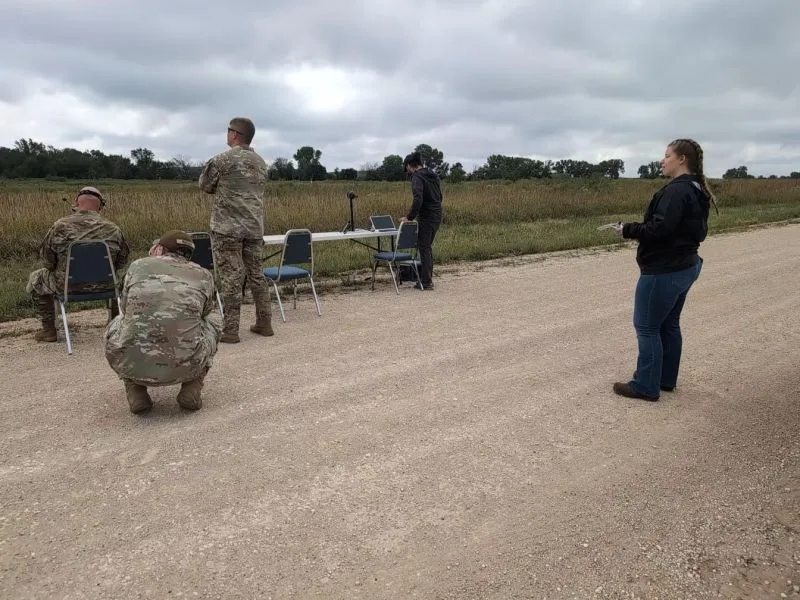
Detecting drones by the sound they make
Small drones that fly on fiber-optic cable or on autopilot give off no radio signal, so most detectors miss them. DroSonic listens for their propellers instead, on low-cost sensors that send nothing and need no cloud.
Read about DroSonic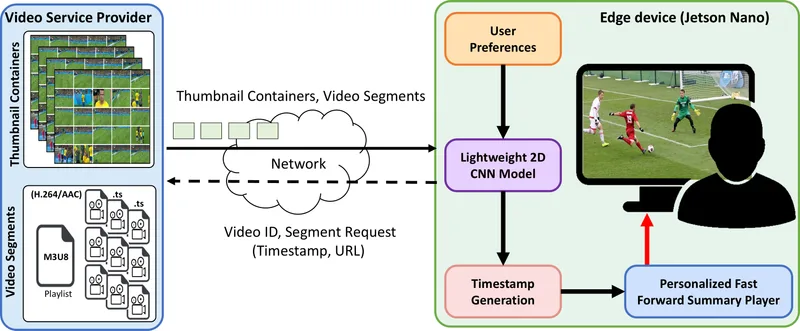
Personal video highlights, made on the viewer's own device
A viewer picks what they care about and gets a fast-forward summary of a long video, built on a small device. The video and the viewer's preferences never go to a server.
Read about EdgeVidSum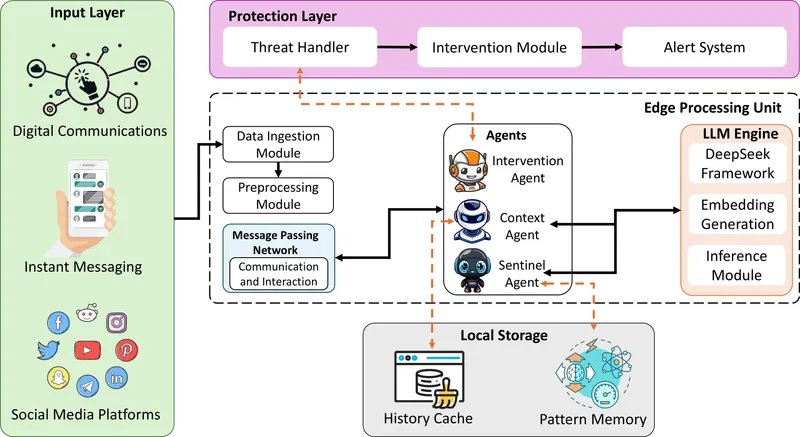
Catching online threats to children before they escalate
A team of AI agents that reads messages close to the user, spots grooming and exploitation aimed at minors, and steps in within a tenth of a second, without sending private conversations to the cloud.
Read about EdgeAIGuard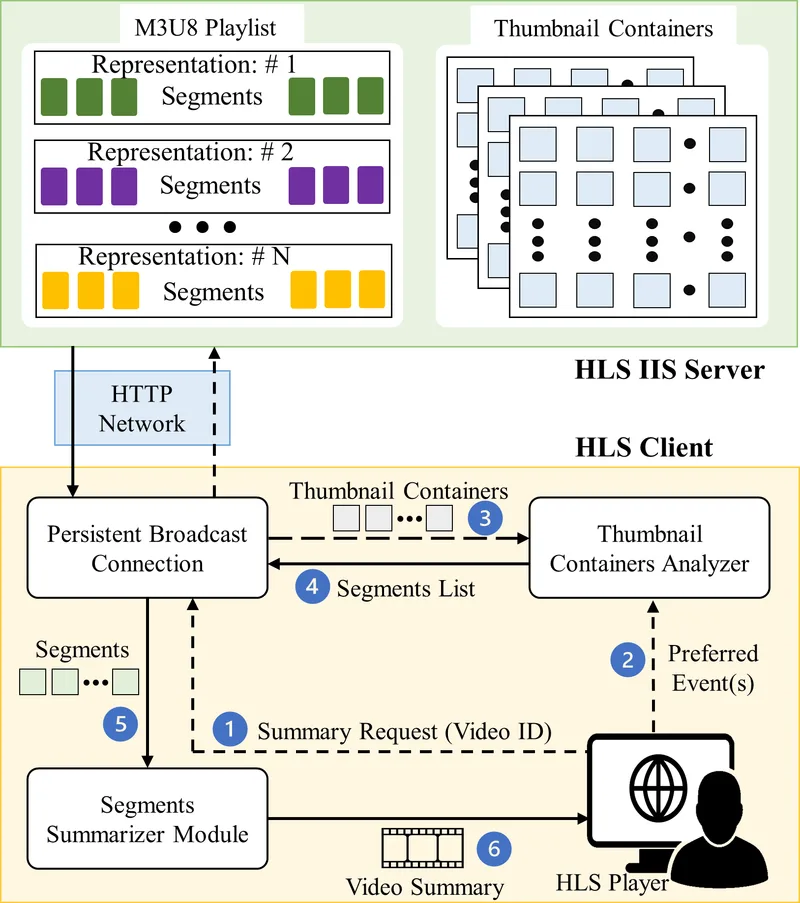
A personal highlight reel for every viewer, without a server farm
Each viewer's device finds the moments they care about in a full-length film or match and builds their own summary, so a service can offer personal highlights to many viewers at once without processing video for each of them.
Read about LTC-SUM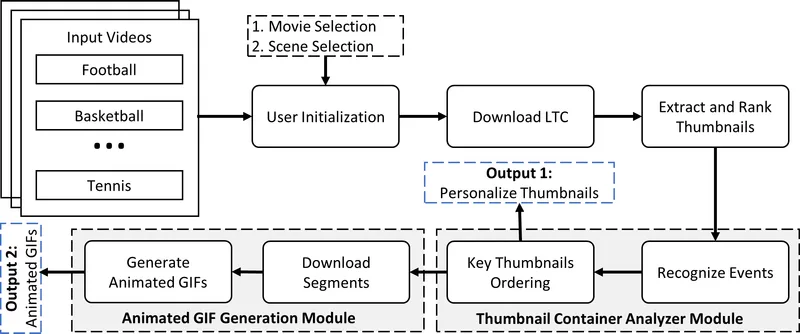
Thumbnails and GIF previews that match each viewer's taste
Previews sell videos. This system picks the moments a particular viewer likes in a full-length sports video and turns them into a thumbnail and a short animated preview, using a fraction of the computing of earlier methods.
Read about FRC-GIF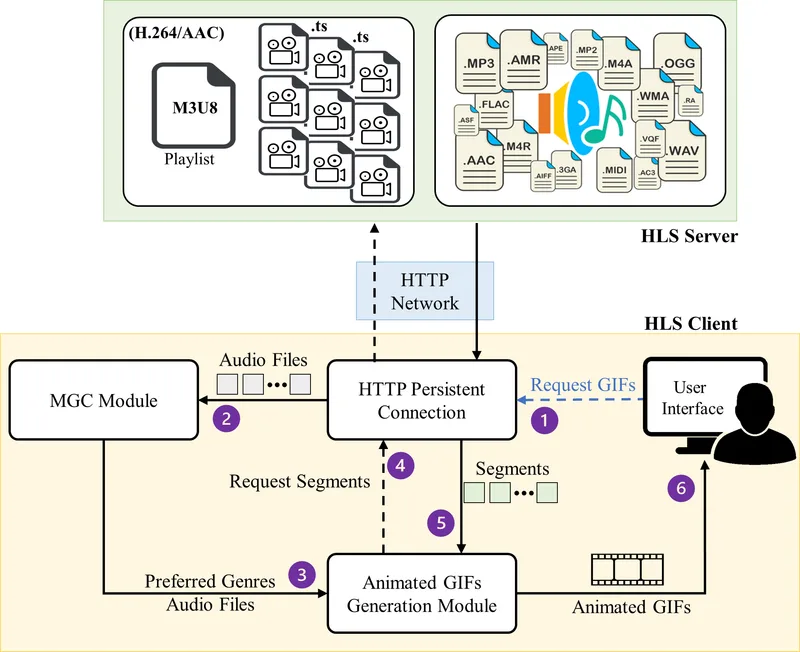
Finding the best moment in a video by listening to it
Sound often tells you where the big moment is faster than pictures do. This system reads a music video's audio track, finds its climax and turns just that moment into a preview.
Read about Audio-driven highlights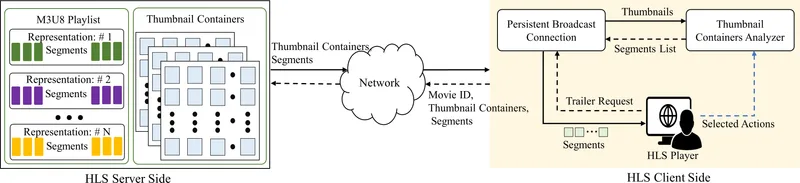
Personal movie trailers, without collecting personal data
Every viewer sees the same trailer today. This system builds a trailer around the action each viewer prefers, on their own device, so their tastes never have to be shared.
Read about Personalized trailers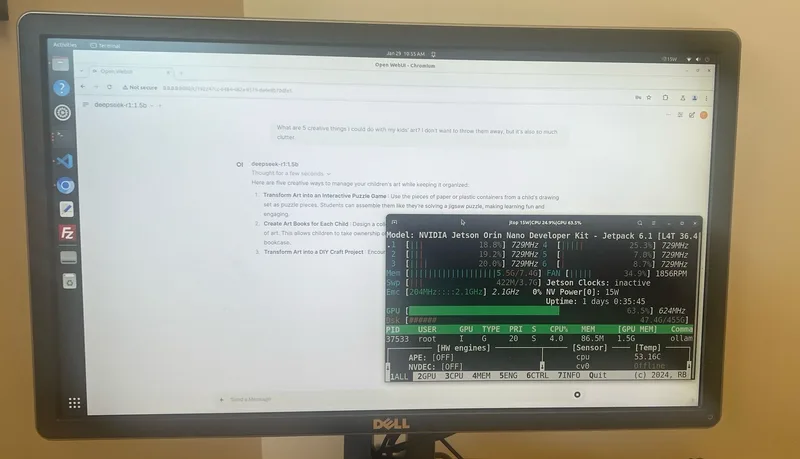
A private AI assistant that never leaves your building
Modern AI assistants running on a small computer on your own desk, with a familiar chat window, so documents and questions stay in-house.
Read about Private on-device AI assistantsHave a perception problem that has to run on real hardware?
Tell us what you need to detect, where it has to run and what it runs on. You'll get a reply from the founder.
- gmujtaba@koraiio.com
- Founder
- Dr. Ghulam Mujtaba
- Product
- DroSonic
- Based in
- Denver, Colorado